Intelligence and automation

A digital brand presenter that speaks several languages.

We build consistent avatars for corporate video, training and product communication. Record once and reuse: new versions, new languages and updates without setting up another shoot.

From identity to localised video
1
Identity and consent
Who the presenter is, with the permission to use them documented.
2
Building the avatar
Appearance, voice and tone tuned to the brand.
3
Approved script
The text is reviewed before generating, not after.
4
Video production
Voiceover, lip-sync and editing with the visual identity.
5
Localisation
Other languages reusing the same avatar and the same cadence.
Step 1 is never skipped: without explicit consent, no avatar of a real person is built.
At a glance

TouringXX’s AI avatars and digital twins service builds digital brand presenters to produce video in several languages without repeat shoots. It is built for companies that need to communicate frequently — training, product, internal comms — and can’t coordinate a recording every time. The expected outcome is consistent, updatable video content, with documented consent and brand control.

What a brand digital twin is

It is a reusable audiovisual representation: a presenter with the appearance, voice and tone defined for the brand. It can be based on a real person from the team — with their consent — or on a character built from scratch that corresponds to nobody.

The advantage is not only saving the shoot. It is consistency: the same presenter explains the product in Spanish and in English, with the same cadence, and if the message changes the video is regenerated instead of calling back crew, set and calendar.

Real-person avatar Built character Multilingual voiceover Lip-sync Vertical and horizontal video Version control
Who it’s for

Teams that need to produce video continuously.

Training areas with a large catalogue. Courses and modules that get updated and need versions in several languages.
Companies whose product changes often. Every release requires explaining what’s new without a full production.
Internal communication teams. Regular announcements that gain clarity in video and today go out as text.
Brands selling in several markets. The same message must sound natural in each language, not subtitled.
When it isn’t the right call. If the message depends on a real person being present — a message from the director, a testimonial, a personal story — an avatar subtracts credibility rather than adding it. In those cases recording is the recommended route.
Common situations

Signs an avatar solves the problem

Every new video means coordinating diaries, a set and a crew.
There is content in one language and turning it into video in another means starting over.
Videos fall out of date because remaking them is too expensive.
The person who appeared in the videos no longer works at the company.
The same message is needed in dozens of variants for different products.
Video material loses consistency between one recording and the next.
Results

What changes with a reusable presenter

The impact depends on the volume of content and on how many languages are needed. These are the changes the service aims for.

Production without a shoot

A new video is generated from the script, with no set, camera or diary to coordinate.

Consistency across pieces

The same presenter, the same cadence and the same tone across the catalogue.

Real localisation

Other languages with voiceover and lip-sync, not just subtitles over the original.

Updating is viable

When the message changes the video is regenerated instead of left obsolete.

Independence from individuals

The brand presenter isn’t lost if someone changes role or leaves the company.

Controlled scale

Dozens of variants for products or campaigns at the same standard.

Scope

Possible applications

Not all of them suit every brand. The conversation starts by deciding which content gains from a digital presenter and which doesn’t.
Visual pendingframe real · training
Application 01

Training and onboarding

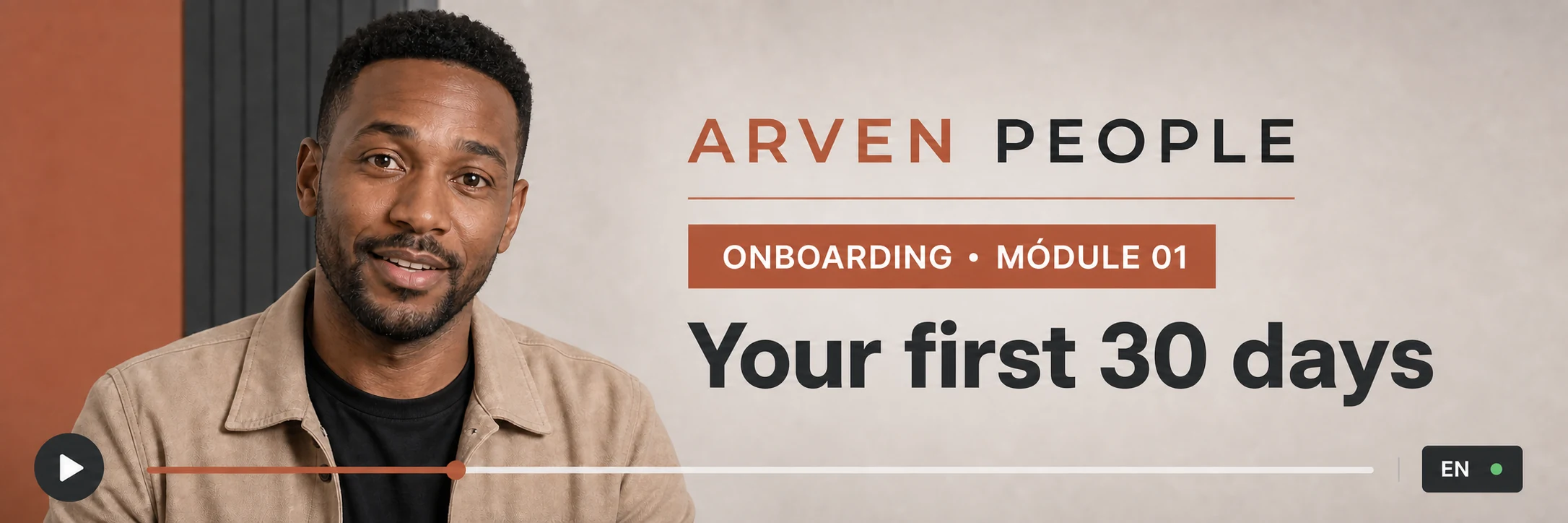
· Course modules · Staff induction · Internal procedures · Regulatory updates
Visual pendingframe real · product
Application 02

Product and sales

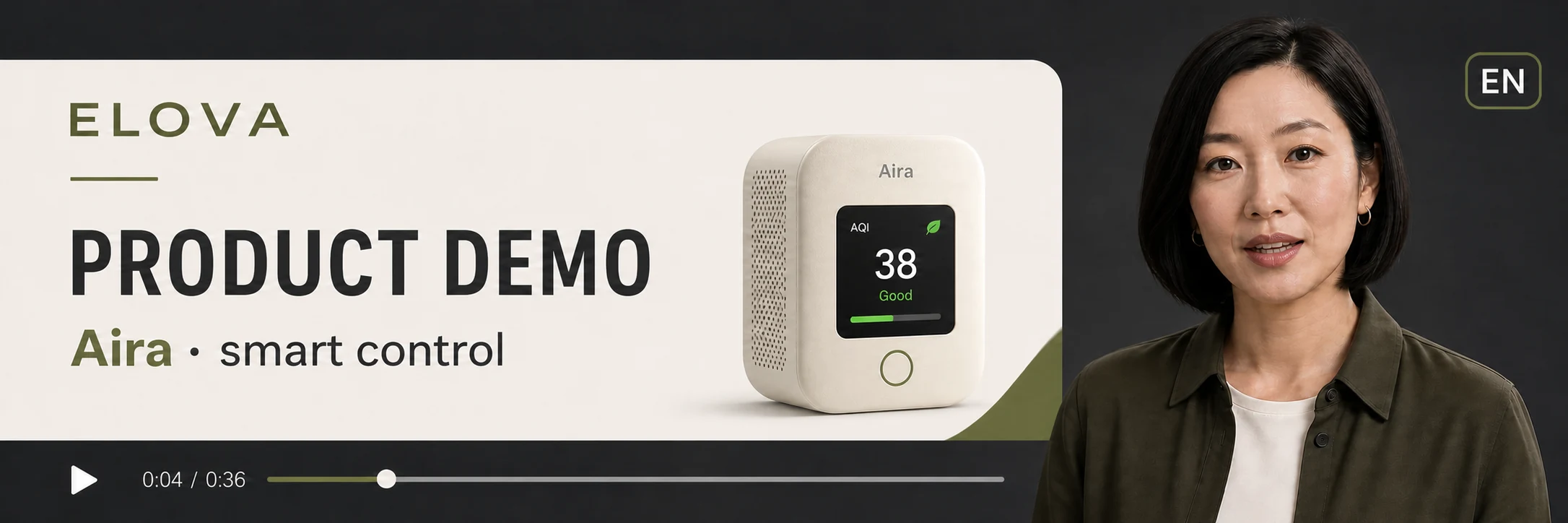
· Product demos · Release notes · Sales material · Recorded presentations
Visual pendingframe real · internal
Application 03

Internal communication

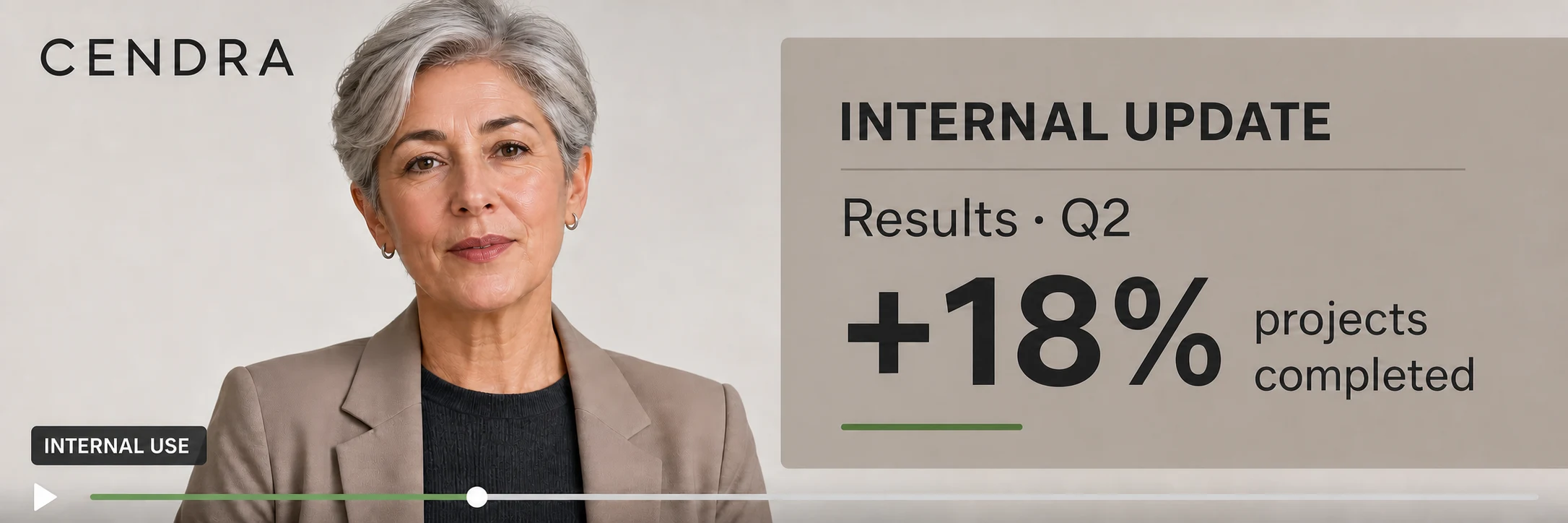
· Regular announcements · Results summaries · Team news · Process reminders
Visual pendingframe real · social
Application 04

Marketing and social

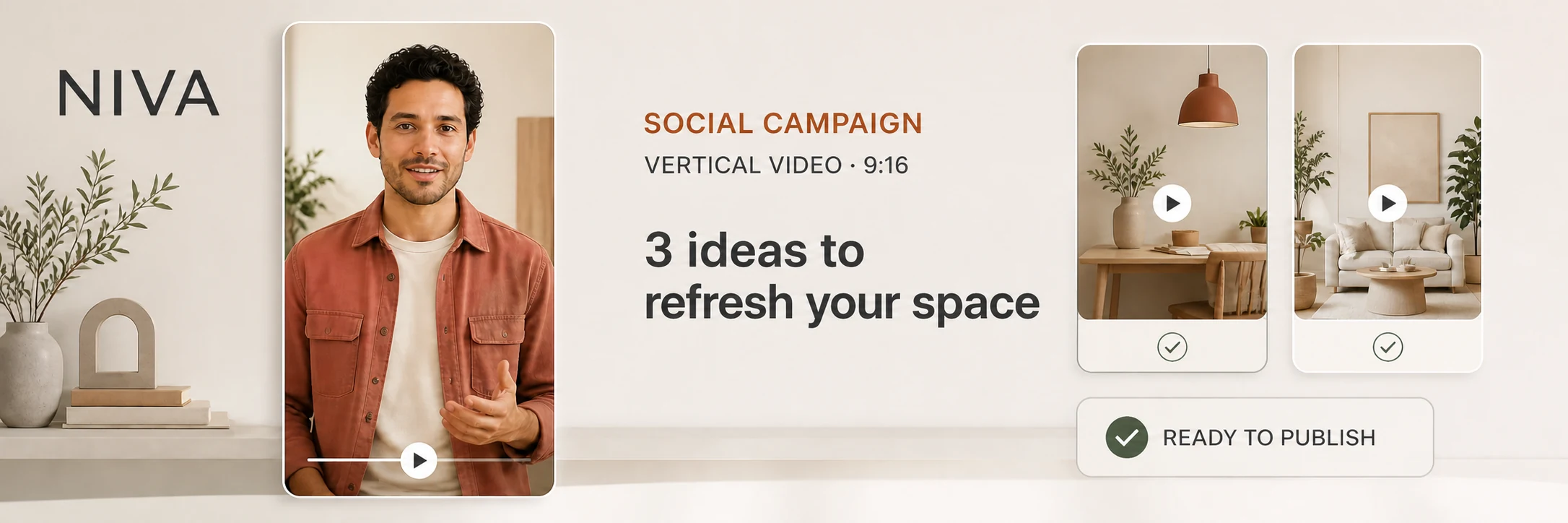
· Vertical video · Campaign variants · Recurring content · Segment-specific pieces
Consent and transparency

No avatar is built without explicit permission.

When the avatar reproduces the image or the voice of a real person, their written consent is required, with a defined scope: for which content, in which languages, for how long and what happens if that person leaves the company.

On public disclosure, the recommendation is to state that the content was generated with AI. It is the client’s decision, but the studio’s position is clear: in training or institutional communication, hiding it creates more risk than benefit.

01
Written consent
Scope, languages, duration and permitted uses are documented before the avatar is built.
02
Script approval
No video is published without the text passing client review.
03
Recommended disclosure
We recommend stating that the content was generated with AI; the final decision is the client’s.
04
Version control
Every video is logged with its script and date, so you know what is published.
05
Revocation planned
What happens if the person withdraws consent is defined in advance.
How we work this service

A test before committing to a content library.

Before producing dozens of videos it is worth seeing a pilot: how the avatar looks, how it sounds in each language and whether the team approves it as the brand’s presenter.

01 Definition

Whether the presenter is a real person or a character is decided, and consent is resolved.

Recibes: scope and permission document
02 Pilot

A short test is produced in the planned languages to assess the real result.

Recibes: pilot video for approval
03 Production

With the pilot approved, the planned set of pieces is produced.

Recibes: final videos and per-language versions
04 Maintenance

Scripts are updated, variants generated and published versions logged.

Recibes: documented library and update plan
Visual evidence

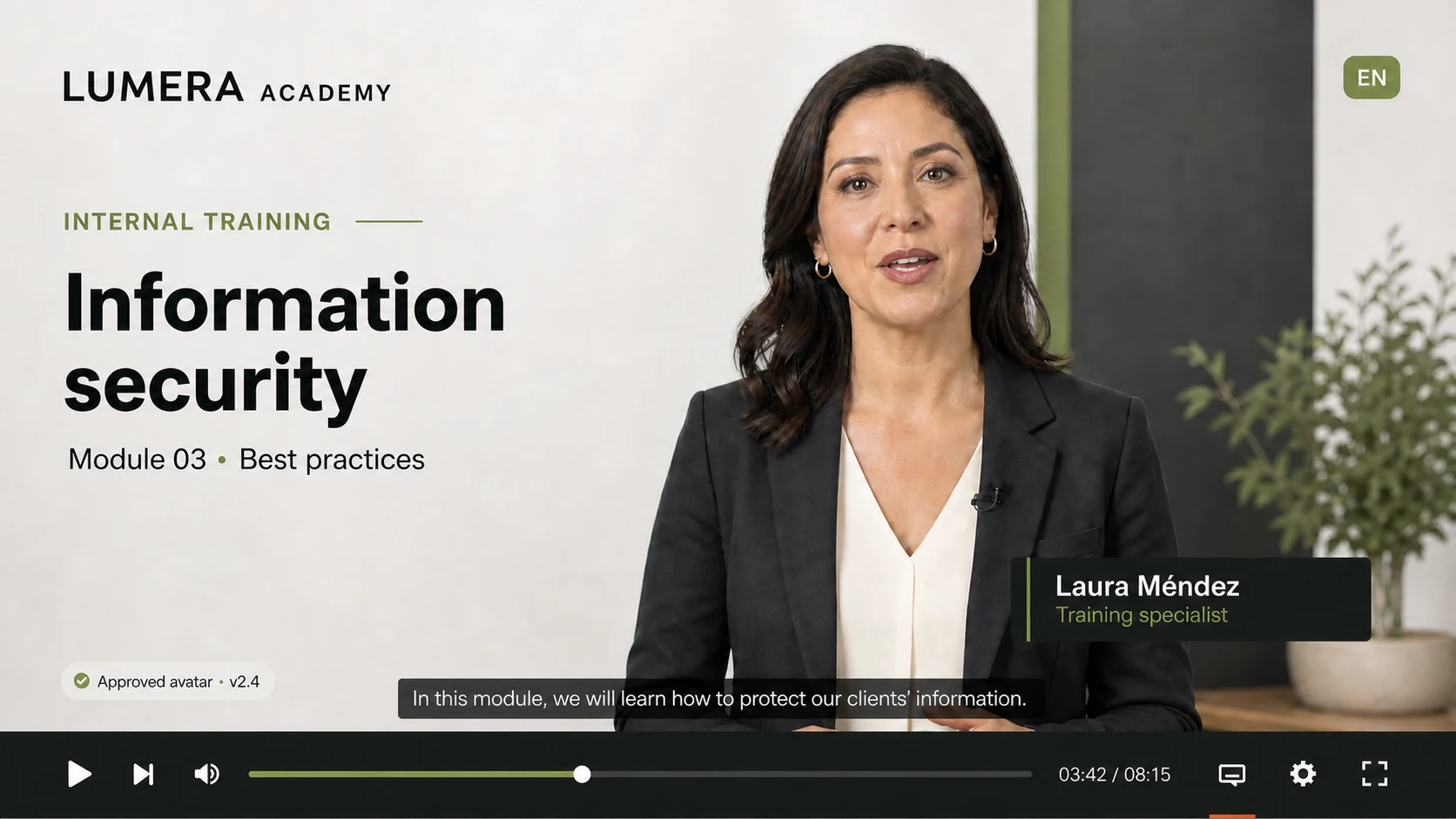
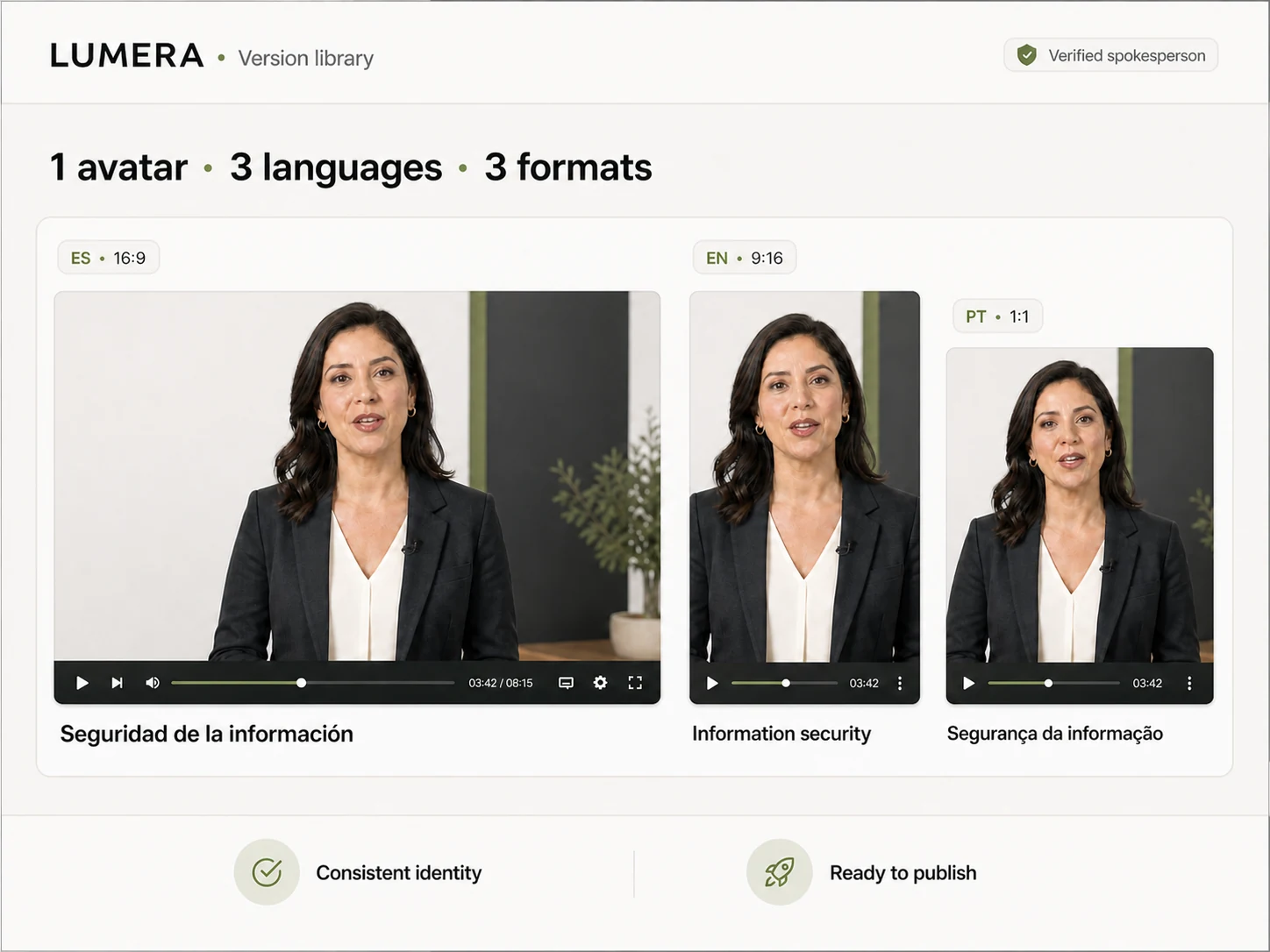
The same presenter, in every language and format.

An approved avatar is reused for months: the script, the language and the format change — the person and the brand don’t.
Visual pending 16:9
Avatar / digital twin · video frame — shot, framing, lighting and brand titles
Visual pending 4:3
Multilingual variations — the same avatar in several languages, vertical and horizontal

The variations show consistency: the same framing and the same identity in every language and aspect ratio.

Service: AI avatars

“We recorded the avatar once and we now publish training in three languages. Before, every update meant coordinating another shoot.”

▲ Training in three languages with no new shoot
LN
Lucía Navarro · Head of Training
Meridian Group · Spain
What can be claimed

The technology moves fast; the result is shown before scaling.

The quality of an avatar depends on the source material, the language and the shot type. Some combinations work very well and in others the result still looks artificial. That is why the pilot is part of the process: you see it before deciding.

View all testimonials
Frequently asked questions

Common questions about avatars

Questions about rights and consent are best resolved before producing, not after.

Can we use the image of someone on the team?+
Yes, with their written consent and a defined scope: for which content, in which languages and for how long. What happens if that person leaves the company or withdraws permission is also agreed.
Do we have to disclose that the video was generated with AI?+
The studio recommends stating it, especially in training and institutional communication. Regulation varies by country and context, so the final decision and its legal validation stay with the client.
Can you tell it’s an avatar?+
It depends on the language, the shot type and the source material. Some combinations look very natural and others are still noticeable. That is why the pilot is part of the process: it is assessed before scaling.
What if the technology improves in a few months?+
That is expected. The avatar is documented so it can be regenerated with newer tools without starting over. Scripts and identity definition remain the client’s own assets.
How is this different from AI Hub?+
AI Hub produces video and voiceover in general, including dubbing and presenter-free content. This page covers specifically the reusable brand presenter. Many projects combine both.
How many languages can it handle?+
It depends on the avatar and the quality required in each language. Some work very well and others need voiceover tuning. The list is defined during the pilot, testing the languages that will really be used.
Do the videos belong to the client?+
Yes. The videos produced, the scripts and the avatar definition stay on the client’s side. The terms of any third-party tools involved are stated before starting.

Services that usually go with it

An avatar is one piece of the content system, not the whole system.

To go deeper

When AI helps content production and when it doesn’t.

Also available in AI Hub

Avatars, dubbing and video in one platform

AI Hub also brings together tools to create avatars, UGC, video, dubbing and other AI communication assets, with the options each plan enables.

The brand presenter — consent, script, identity and per-language quality control — is handled in this service.

Explore AI Hub
Related areas in the platform
04Video, UGC and avatars
05Voice, audio and music
03Image, design and photography
10Files and integrations

Let’s start with a pilot and you decide with the result in front of you.

With a short script we can produce a test of the avatar in the languages you need. From there we define whether building a content library is the right route or whether to solve it another way.